Last updated: September 9, 2026
What program websites don’t tell you
You can compare course lists and tuition tables all day. What you won’t find on a program website is a straight answer about how field placement actually gets arranged, or what a program director thinks separates a strong application from an average one.
So we asked them directly. Every school featured here appears in one or both of our MSW program guides, and the faculty below run or teach in those programs.
How these Q&As work
We send every contributor the same questionnaire. Three questions are required and nine are optional, so a program director answers what’s relevant to their program and skips what isn’t. Nobody is paid, and taking part doesn’t affect where a program appears in any of our rankings. We tell every contributor that before they answer.
Answers are published substantially as written. We correct typos and punctuation, nothing more. Contributors receive a full copy of their own answers when they submit, and can ask us to change or remove anything at any point, including after publication.
Each Q&A opens with a short bio checked against the contributor’s own university profile. Where we can’t confirm a current role, we say so rather than implying an older one still stands. Contributors who don’t supply a portrait we can publish carry an initials monogram instead.
Every contributor speaks for their own program. Where an answer describes the profession more broadly, that’s their read on it, not ours.
Read the Q&As
Each Q&A appears in full, as submitted. Click a school name to expand it.
The Pennsylvania Western University MSW program appears in our Online CSWE Accredited MSW Programs guide.
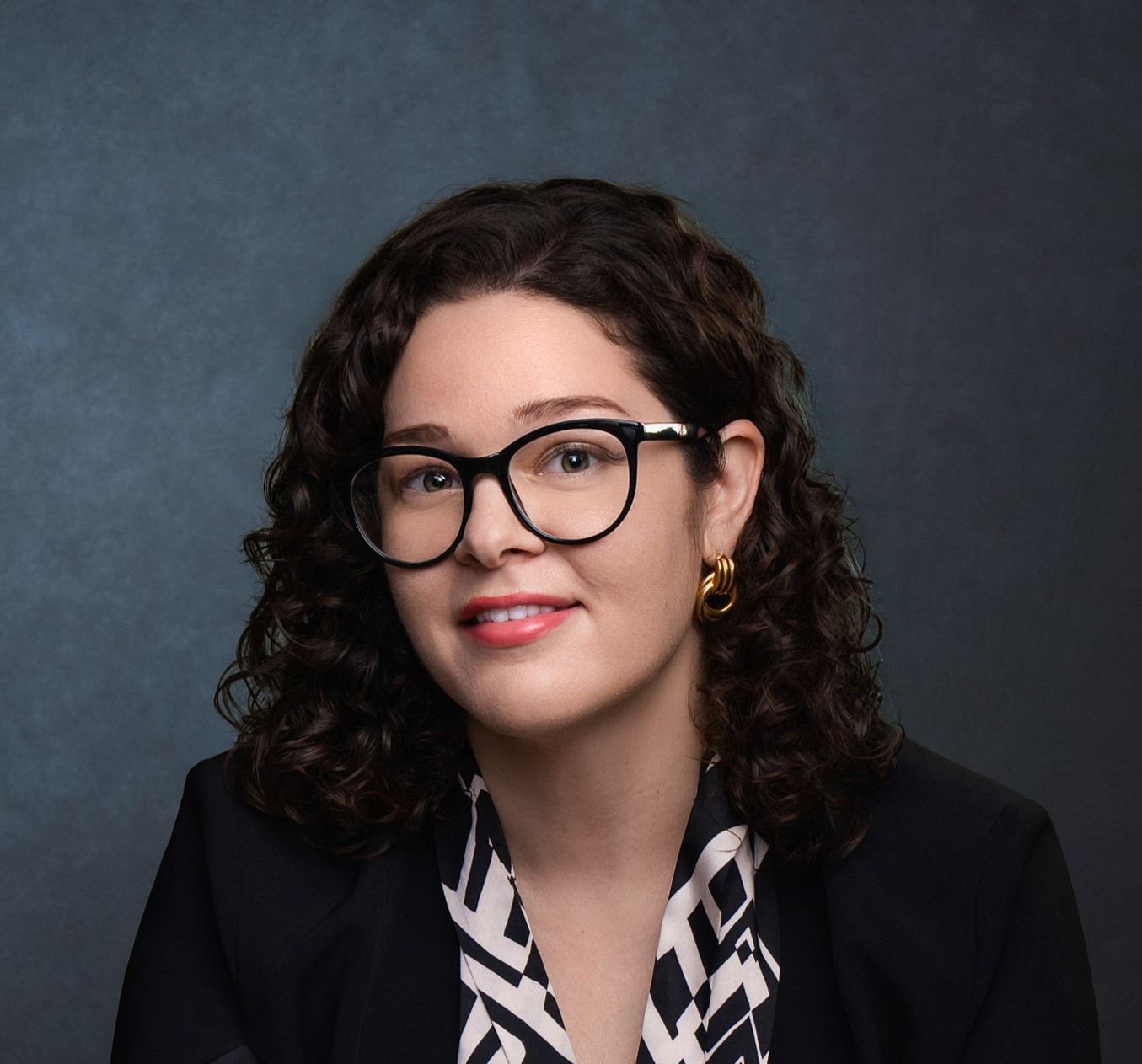
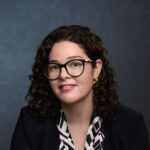
Dr. Stephanie Diez, PhD, LCSW, MSW, IGDC, BACC
Professor and MSW Program Director, Pennsylvania Western University
Dr. Stephanie Diez is a professor of social work and director of the MSW program at Pennsylvania Western University, in the College of Health Sciences and Human Services. She earned her PhD at Florida International University and continues in clinical practice as a licensed practitioner, splitting her time between direct practice, research, teaching, and prevention work. Her research and book chapters focus on gaming disorder and related behavioral addictions, and in 2013 she founded Reboot & Recover, a nonprofit working on balanced living in a technology-driven world. She helped lead development of the first International Gaming Disorder Certification for helping professionals and co-leads the American Psychiatric Association’s DSM Gaming Disorder Taskforce.
What kinds of students does your program attract?
At the heart of PennWest’s MSW program is its 100% asynchronous online format, which is specifically designed to give graduate students the flexibility to balance their education with work, family, and personal commitments.
As a CSWE Accredited program at a university based in PA with deep community connections, PennWest offers an MSW program that prepares you for licensure and career opportunities throughout Pennsylvania and beyond. If you’re passionate about being a voice for the vulnerable, our nationally recognized online MSW degree program offers the flexibility today’s graduate students need without sacrificing academic excellence.
Unlike traditional or synchronous online programs, PennWest has no specific days or times that students must attend class sessions and there are no residency requirements. Students are never required to visit any of the physical campuses, allowing them to complete lectures and assignments entirely on their own schedule.
Because of this high level of flexibility, the program is highly populated by a diverse array of students, including:
- Working Professionals: Many students choose to work while enrolled, carefully managing their schedules to avoid burnout. To accommodate different professional workloads, the program offers multiple pathways, including full-time and highly flexible part-time plans of study.
- Career Changers: The program is popular for individuals pivoting from other sectors as graduate students can utilize the program’s flexibility to transition into clinical or macro practice without pausing their current careers.
- First-Generation Students: We offer dedicated university support structures, such as personal library help, online tutoring, and responsive faculty advisors who explicitly help first-generation graduate students navigate the transition and overcome academic challenges.
How does field placement work?
Our student-led placement model gives you the power to identify and secure a field placement site and a qualified MSW field instructor right in your own community. This approach allows you to customize your hands-on learning, targeting public or private settings that directly align with your personal interests and career aspirations.
To ensure your graduate experience fits your life, Penn West supports a highly adaptable range of placement structures. We permit work-based placements (where you may utilize your current human services employment for internship credit), paid internships, and remote or virtual field activities that meet our program requirements.
While you take the lead in choosing your site, you are never expected to navigate this journey by yourself. Before you ever step foot into an agency, you will complete SOWK 6000: Introduction to Trauma-Informed Field Practice. This semester-long, pre-field course acts as your supportive launchpad, orienting you to the field education process and guiding you step-by-step through securing your placement.
Within this encouraging course, you will receive instructed assistance to:
- Develop targeted search strategies and identify potential community resources.
- Learn how to professionally approach agencies, apply, and interview.
- Evaluate potential placement sites and field instructors to ensure they meet your goals and satisfy program requirements.
Our commitment to your success continues long after SOWK 6000. The Penn West Field Education Office is always just a phone call, email, or Zoom meeting away, ready to provide personal guidance, answer questions, or help you troubleshoot placement logistics.
What’s the most common mistake applicants make when choosing a program?
The most common mistake we see is applicants who don’t ask these 3 questions when choosing an MSW program.
1: “Who will help me find and secure an internship?”
At Penn West, while you take the lead in identifying opportunities that match your personal interests directly in your home community, you are fully prepared and guided. Before you begin your internship, you will complete SOWK 6000: Introduction to Trauma-Informed Field Practice. This semester-long course serves as a supportive launchpad for field placement. You will also have direct access to our Field Education Office and our extensive database of established clinical and macro placement sites.
2. “Who do I contact when I am struggling academically, and how accessible are the faculty and staff?”
You are actively encouraged to contact your professors, academic advisor, instructors and program staff whenever you are struggling academically or need extra guidance. Our professors and program staff serve as supportive mentors, helping you work through difficult material, connect with university resources, or adjust your learning plan when challenges arise.
Additionally, you are paired with a dedicated Academic Advisor who is a faculty member to help you discuss your plan of study and navigate your career path. If you need further support, you can also easily connect with online writing and tutoring resources, and specialized library services.
3. “Does the program feel like a community I can truly be a part of?”
We weave connection into the program and curriculum. You will learn from and network with peers via engagement in collaborative course forums and gain immediate access to the Social Work Association of Graduate Students (SWAGS) social media group. SWAGS is a highly active, supportive community of online students, campus students, and alumni who share local field leads, professional opportunities, and mutual aid.
Ultimately, a strong MSW program should provide both the flexibility and connection.
Where do your graduates land?
Penn West partners with an expansive network of local, regional, and national internship partners, our students gain hands-on clinical and macro experience directly within their home communities. These field placements frequently serve as a direct pipeline to full-time employment immediately upon graduation.
Within their first year, our graduates successfully secure high-demand positions in diverse settings, including:
- Clinical & Mental Health: Providing therapy and counseling in clinics, private practices, and behavioral health facilities.
- Healthcare: Helping patients navigate medical systems and cope with illness in hospitals and rehabilitation clinics.
- Schools: Supporting the social, emotional, and academic needs of children and youth.
- Specialized Advocacy & Recovery: Leading interventions as substance abuse counselors, victim advocates, or child welfare specialists.
- Macro & Administration: Managing social service agencies, developing programs, and influencing policy.
What funding options are available?
At PennWest, we are committed to providing a high-quality, fully accredited graduate education that remains highly affordable. While we encourage prospective students to view our current graduate tuition and fees schedules online to inspect the most up-to-date rates, our dedicated Financial Aid Office works closely with students to navigate their options, maximize resources, and identify the best sources of funding for their unique situations. Through personalized guidance, our staff helps students secure federal aid and utilize Degree Works to ensure Course Program of Study (CPoS) compliance, guaranteeing that every registered class directly supports and maintains their financial aid eligibility.
To help lower out-of-pocket expenses further, students can also apply for practical state-sponsored and employer-based funding streams. For county Child and Youth Services (CYS) staff in Pennsylvania, the state-offered CWEL (Child Welfare Education for Leadership) program provides substantial educational funding, which we accommodate through a specialized plan of study featuring CWEL-approved advanced electives. We also actively support our working professionals by permitting employment-based field placements and paid internships, enabling you to count your daily human services job duties toward your required supervised field hours. Through the PA Employee Partnership, approved Commonwealth of Pennsylvania agency employees automatically receive a tuition discount on their graduate studies.
Do you offer an advanced standing track?
Yes, we offer an Advanced Standing track. Many BSW students choose our MSW program after graduating with their BSW and do well on the 1-year advanced track. To qualify for the Advanced Standing MSW program, applicants must:
- Hold a Bachelor of Social Work (BSW) degree from a CSWE-accredited institution, awarded within the past ten years.
- Have a minimum cumulative undergraduate GPA of 3.0 on a 4.0 scale, or demonstrate sufficient academic readiness through additional coursework or professional experience.
- Provide evidence of satisfactory completion of a generalist social work practicum as part of the BSW curriculum, verified by official documentation.
- Submit strong letters of recommendation from academic faculty and/or field instructors attesting to the applicant’s competence in generalist social work practice.
- Demonstrate a commitment to social work values and ethical practice through a personal statement or essay.
Application Requirements:
- Completed application to the MSW program, indicating interest in the Advanced Standing program.
- Official transcripts from all post-secondary institutions attended.
- Three letters of recommendation.
- A personal statement outlining professional goals, commitment to social work ethics/principles and how the Advanced Standing MSW program aligns with career aspirations.
- A resumé or curriculum vitae detailing relevant work experience.
Anything else prospective students should know?
This program is for you if:
- You are passionate about advancing your social work career by addressing complex human needs and strengths in our changing society
- You want to develop advanced skills in trauma-informed practice, understanding diversity, and social justice that employers value in MSW graduates
- You aim to work in direct clinical social work practice or indirect administrative roles, enhancing your leadership capacities across healthcare, schools, community agencies, or mental health settings
- You seek a flexible online MSW degree program that allows you to balance your education with work and personal commitments
The University of Louisville MSW program appears in our online CSWE accredited MSW programs guide.
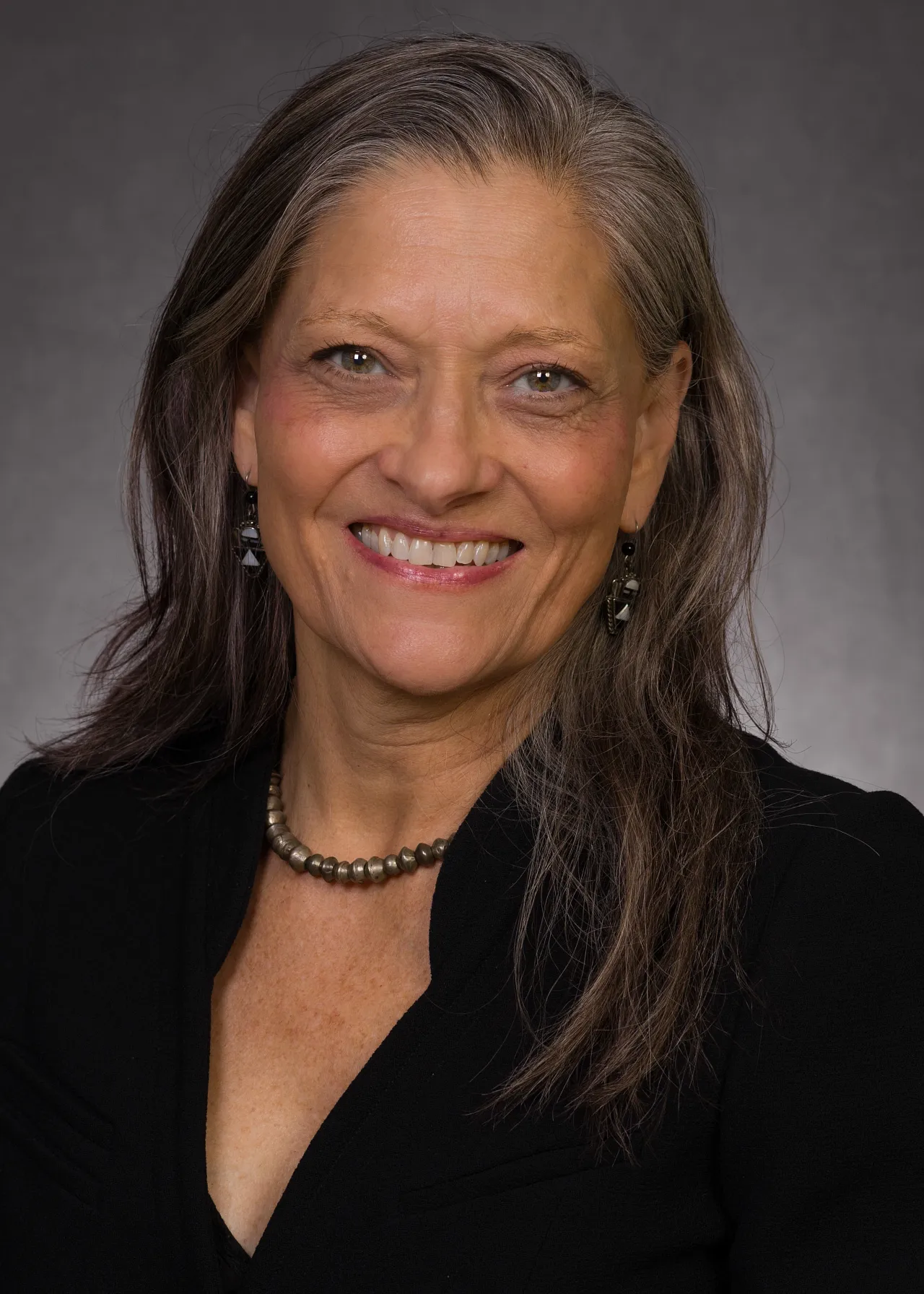
Susan Heffner Rhema, MSW, LCSW, PhD
MSSW Program Director, University of Louisville
Susan Heffner Rhema directs the MSSW program at the University of Louisville’s Kent School of Social Work and Family Science, where she has taught in the BSW, MSSW and DSW programs for 15 years. She brings more than 45 years of practice experience spanning international community development, NGO and hospice program administration, and private therapy practice. She served as clinical director of the Survivor of Torture Recovery Center in Louisville from its founding in 2010 until 2018, and has spent over 15 years providing clinical assessment, treatment and forensic evaluation for survivors of labor and sex trafficking. She holds a PhD from the University of Louisville and an MSW from the University of Maryland, Baltimore, and is licensed as an LCSW in Kentucky.
Who enrolls in the MSSW program
The MSSW program at Kent School of Social Work and Family Science attracts students from many backgrounds and across the globe. With our diverse set of seven concentrations and several dual degree options, we receive students with BSW degrees and from many other complimentary disciplines. About one third of our students come from social work with a growing number coming from other disciplines. Our student population includes individuals from rural and urban settings bringing the opportunity for lively discussion and rich perspectives to the learning environment. Our instructors include both our research faculty and our adjunct faculty who are actively engaged in community work.
How field placement is supported
The Practicum experience is a key component of the masters in social work degree. The Kent School supports the student practicum experience with a team of social workers that work with students to develop the practicum arrangement. Once in practicum experienced social workers provide oversight and supervision and address any concerns that may arise. The MSSW also provides continuous support and guidance for students through a team of experienced Advisors ready to respond to the needs of today’s graduate students. The Kent School is celebrating 90 years in the community bringing a foundation of strong practicum relationships across the US.
The most common mistake applicants make
The most common mistake made by individuals considering MSW programs is not fully exploring the quality of programs. Students often simply apply to the school they are closest to or are familiar with. The Kent School is a leader in quality of curriculum with a strong faculty presence both on campus and online. Kent School provides flexibility with four start up semester options, part-time and full time schedules, and a broad variety of elective options.
Accreditation and licensure preparation
The Kent School MSSW is fully accredited by CSWE and provides all the courses necessary to begin the licensing process in the US.
How AI fits into the curriculum
The MSSW program at Kent School integrates the ethical use of AI into the program to fully prepare students for work after graduation.
What an online or hybrid week looks like
In the online and hybrid courses, students will complete weekly modules. Assignments and any synchronous meetings are clearly outlined in the syllabus. Weekly modules include required readings, discussion posts and other engagement activities. Instructors are attentive to students by responding with individualized feedback.
The advanced standing track
Any applicant with a BSW from a CSWE accredited program is fully prepared to begin the 30-hour track program. The program can be completed in one year or over a longer period of time dependent on the needs of the student.
Anything else prospective students should know
Students in the online program can expect to complete their practicum experience in person at a local agency.
The Kent School offers courses in international travel studies, global social work and environmental sustainability in social work.
The University of New Hampshire MSW program appears in our CSWE-Accredited Online MSW Programs guide.
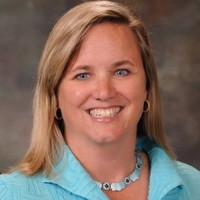
MSW Director, University of New Hampshire
Trish is a Clinical Associate Professor in UNH’s Department of Social Work, where she directs the MSW program. She came to social work education after nine years as a child life specialist and coordinator at Memorial Sloan Kettering Cancer Center, followed by work as a school social worker and transition coordinator for the Portsmouth School District in New Hampshire. She holds an MSW from UNH, an M.S.Ed. in early childhood with a child life specialization from Bank Street College, and a B.S. in psychology from Trinity College, and has served on boards and committees for NASW, NASW-NH, and the Association of Child Life Professionals.
MSW tracks and specializations:
- Child Welfare
- Trauma-Informed School Social Work
- Substance Use Disorders
- Intellectual and Developmental Disabilities
Formats: On campus, and fully online synchronous. Advanced standing: Offered.
What kind of students enroll in your MSW program?
Our MSW program attracts a diverse mix of students at different stages of their professional lives. We enroll students entering through our Advanced Standing pathway with a BSW, as well as students coming from a wide range of undergraduate majors and professional backgrounds through our traditional MSW pathway.
Over the past five years, we have seen increasing interest from career changers, students who have established careers in fields such as education, healthcare, nonprofit work, human services, business, and other professions and are now pursuing social work as a second career.
Our online program in particular has made the MSW accessible to working professionals who need the flexibility to balance graduate education with employment and family responsibilities.
This mix is one of the strengths of our program. Students with BSW backgrounds bring an existing foundation in social work education and practice, while students entering from other disciplines bring valuable professional and life experience to the classroom. Together, they create cohorts with a broad range of perspectives, experiences, and career goals.
How does field placement actually work at your program?
Internship placement is a highly supported process at UNH. We have a very strong placement team.
Students are not expected to find and secure an internship on their own. Our dedicated Internship Education team works individually with each student to identify appropriate placement opportunities in the community where they live.
This is especially important in our Online MSW program, where students are located throughout New Hampshire and across the country.
The process begins well in advance of the internship, with the Internship Education team learning about the student’s location, professional interests, previous experience, learning goals, and individual circumstances. The team then works to identify potential agencies and develop placements that meet both UNH’s educational requirements and the requirements for MSW-level supervision.
Students remain connected to UNH throughout the placement process and during the internship itself. They have support from the team as well as their UNH field faculty and participate in a field seminar alongside their internship experience. If challenges arise with a placement, students have people at UNH to contact rather than being left to navigate the situation on their own.
For students at a distance, our model is intentionally designed so that geographic distance does not mean less support.
Over the years, we have built relationships with agencies and supervisors in many communities and continue developing new placement partnerships as our students’ geographic reach expands.
The goal is not simply to find students an internship, but to create a learning experience that supports their development into competent, ethical social work professionals.
What’s the most common mistake you see applicants make when they’re choosing between MSW programs?
The most common mistake is choosing an MSW program based primarily on cost, speed, or convenience without looking closely at how the program will actually support them through the degree.
Those things matter, but an MSW is also a professional degree, and the quality of the experience depends heavily on faculty access, advising, internship education, and how connected students feel to the program.
We encourage applicants to ask questions beyond “How quickly can I finish?” They should ask who will help them find an internship, who they contact when they are struggling academically, how accessible faculty are, what their class sizes are going to be, what kind of advising they will receive, and whether the program feels like a community they can be part of.
For online students especially, flexibility is important—but flexibility should not mean being on your own. A strong MSW program should provide both the convenience students need and the support, relationships, and professional preparation they will need to become social workers. We are really proud of the educational experience we provide here.
Where do your graduates land in their first year, and what does the road to LCSW hours look like?
Our graduates move into a wide range of social work settings during their first year after graduation, including community mental health, hospitals and healthcare systems, schools, behavioral health programs, child and family services, substance use treatment, nonprofit organizations, and other community-based agencies. Many of our students become employed by their second year placement.
Many of our students are already working in human services when they enter the program and use the MSW to move into more advanced clinical or leadership roles.
For graduates pursuing clinical licensure, the MSW is the beginning of the post-graduate licensure process rather than the end.
After graduation, they typically work in a clinical social work position while accumulating the supervised practice hours required by the state in which they plan to become licensed. The number of hours, type of supervision, examinations, and specific requirements vary by state, so we emphasize throughout the program that students need to become familiar with their own state’s licensing board requirements.
One advantage of the MSW is that graduates do not have to choose a single career path. Some pursue the LCSW and clinical practice, while others build careers in schools, healthcare, policy, community practice, nonprofit leadership, advocacy, and other areas of the profession.
What funding do your students actually use?
Our students use a mix of resources to fund their MSW education, including federal financial aid, university and departmental scholarships, employer tuition assistance, graduate assistantships when available, and outside scholarships.
Many of our students are working professionals, so employer support and the ability to continue working while completing the program can also be an important part of how they make the degree financially manageable.
What we wish applicants understood is that they should look at the full financial picture when comparing MSW programs, not simply the tuition rate listed on a website. Ask about the total number of credits required, fees, scholarships, whether tuition differs for in-state and out-of-state students, and how the internship requirements may affect your ability to work. We offer a tuition plateau for our programs and that can make a big difference if students are going full time.
We also encourage students to think about borrowing carefully.
Social work is an incredibly rewarding profession, but students should have a realistic understanding of likely salaries and potential loan payments before taking on significant debt. The least expensive option is not automatically the best program, but applicants should understand exactly what they will pay, what they will need to borrow, and what support they will receive for that investment.
What separates a strong application from an average one?
A strong application goes beyond good grades.
We are looking for applicants who can clearly articulate why they want to pursue social work, demonstrate an understanding of the profession, and show that they are ready for the academic and professional expectations of graduate education.
The strongest personal statements tend to be thoughtful and specific. Our essay has specific prompts; address one at a time.
We also pay attention to professionalism throughout the application, including the quality of the writing, recommendations, and how thoughtfully the applicant has approached the process. Make sure your recommendation letters are professional or academic in nature.
An average application may tell us that someone wants to “help people.”
A strong application helps us understand why social work specifically, what experiences have shaped that decision, and what the applicant hopes to contribute to and learn from the profession.
What are the biggest challenges new social workers face in their first few years?
One of the biggest challenges for new social workers is learning to trust themselves while also recognizing how much there is still to learn. New graduates often feel pressure to have all the answers, when in reality the first few years of practice are an important period of continued professional growth.
Managing workload, maintaining boundaries, navigating complex systems, and learning how to use supervision effectively are also common challenges.
Social workers enter the profession because they care deeply about people, but they also have to learn that being effective does not mean being available all the time or being able to solve every problem a client is facing.
We encourage our graduates to seek out strong supervision, ask questions, build relationships with experienced colleagues, and pay attention to the kind of workplace they are joining. A supportive first job, with good supervision, reasonable expectations, and opportunities to continue learning, can be just as important as the specific population or setting.
Perhaps most importantly, new social workers need to give themselves permission to be new. Graduate school provides the foundation, but becoming a confident social worker continues through experience, reflection, supervision, and time.
How is artificial intelligence changing social work practice?
Artificial intelligence is already changing social work practice, and we expect its role to grow quickly. Social workers are beginning to encounter AI in documentation, communication, data analysis, resource navigation, administrative work, and even tools that support clinical practice. Along with those opportunities come important concerns about confidentiality, bias, accuracy, informed consent, and the risk of relying on technology in situations that require professional judgment and human connection.
Our approach is not to tell students simply not to use AI.
We believe future social workers need to understand it. We are incorporating AI literacy into our curriculum so students learn how to use these tools thoughtfully, critically, and ethically.
Students need to know how to evaluate AI-generated information, recognize bias and inaccuracies, protect client confidentiality, and understand when AI may be helpful, and when it is inappropriate.
We also emphasize that AI does not replace social work judgment.
A tool can help organize information or make some tasks more efficient, but it cannot take responsibility for an ethical decision, understand a client’s experience in the way another person can, or replace the importance of the therapeutic relationship.
Our goal is for graduates to enter the profession neither afraid of AI nor overly dependent on it.
We want them prepared to ask the questions social workers should be asking as these technologies evolve: Is it accurate? Is it ethical? Whose information is being shared? Who might be harmed or excluded? And does using this technology actually improve the service we are providing to clients and communities?
What does your online program look like week to week?
Our Online MSW program is designed to offer flexibility while still providing structure and connection.
50% of our academic coursework is asynchronous, so students can complete readings, discussions, and assignments around their work and family responsibilities, but courses have regular deadlines and students are moving through the semester together. It is not a self-paced program.
There are also synchronous components built into the program in our internship and practice classes. These courses have required Zoom sessions, held Monday or Wednesday at 7-9pm in the evening, and we have two practice oriented electives that may include synchronous meetings as well.
These live sessions give students opportunities to practice skills, discuss cases and professional issues, and interact directly with faculty and classmates.
Connection is especially important to us. Students enter the program as part of a cohort and get to know many of the same classmates as they progress through the MSW. They connect through discussion boards, group projects, synchronous classes, seminars, and other program activities. Faculty are also accessible to students through Zoom, email, advising, and individual meetings.
We want students to have the flexibility that brings them to an online program without losing the relationships that are such an important part of social work education. Our goal is for students to feel that they are part of UNH and part of a professional learning community, even if they never live near campus.
What costs do applicants routinely forget to budget for?
When budgeting for an MSW, we encourage applicants to look beyond tuition.
Books and technology matter, but the cost students most often underestimate is the time commitment of field education and the potential impact of completing two or three internship days per week on their employment and income.
Planning for those internship years early, financially, professionally, and with family, is one of the best things a prospective student can do before beginning an MSW program.
What does your advanced standing track require beyond a BSW?
Our Advanced Standing pathway is designed for students who have earned a BSW from a CSWE-accredited program and are prepared to move directly into advanced-level MSW coursework and field education.
We look not only at the degree itself, but at the applicant’s academic preparation, professional readiness, and ability to succeed in an accelerated graduate program.
Advanced Standing and traditional-track students ultimately complete the same advanced-level curriculum and are held to the same expectations. Advanced Standing students arrive with the foundation of a BSW education, while traditional-track students build that foundation during the first part of the MSW program. Both groups bring different strengths and experiences, and we see students from both pathways go on to be very successful social workers.
Anything else a prospective student should know?
Shop carefully.
An MSW is a significant investment of time, money, and energy, and programs that look similar on a website can feel very different once you are enrolled. Ask who will know your name, who will help you find an internship, how accessible faculty are, what happens when you are struggling, and whether the program has the staffing and infrastructure to support you from admission through graduation.
At UNH, we have spent years building an online MSW program with dedicated advising, internship education support, experienced faculty, strong student services, and a real sense of connection.
Flexibility matters, but students should not have to trade support or community for the convenience of an online program.
My advice to prospective students is to choose the program where you can see yourself not only enrolling, but being supported, challenged, and prepared to become the kind of social worker you want to be.
Frequently asked questions
Do schools pay to appear in this series?
No. Nobody is paid to take part and nobody pays us to be included. Participation has no effect on where a program appears in any of our rankings, and we tell every contributor that before they answer.
How do you decide who to ask?
We contact MSW program directors, field education directors, and online program directors at schools already featured in our program guides. Anyone teaching in or running one of those programs can take part.
Are the answers edited?
Only for typos and punctuation. Answers are published substantially as written, which is why there is no preview step. Contributors receive a full copy of their own answers when they submit and can ask for changes or removal at any time.
How current are these Q&As?
Each Q&A carries the date it was submitted. Roles change, so contributor bios are checked against university profiles periodically, and where a contributor has moved institutions the bio names their current role alongside the one they held when they answered.